Accessories & Jewelry
The difference between a forgettable outfit and a memorable one often comes down to a single well-chosen accessory. Yet most people approach accessories and jewelry with uncertainty, unsure whether their gold cuff clashes with their silver watch or if their designer bag is actually authentic. This hesitation costs both confidence and money.
Think of accessories as the punctuation of your wardrobe. Just as a well-placed comma changes meaning, a strategically chosen belt or layered necklace transforms the entire message of your outfit. The challenge lies not in owning more pieces, but in understanding how each element—from metal finishes to bag construction to scarf draping techniques—works together to create intentional style.
This resource covers the essential knowledge every accessory enthusiast needs: how to identify your ideal metal tone, the mathematics behind jewelry layering, why certain bags appreciate in value while others deteriorate, and practical care techniques that protect your investment pieces for decades.
How Do You Find Your Perfect Metal Match?
The gold versus silver debate has confused accessory shoppers for generations, yet the answer lies in understanding undertones rather than following arbitrary rules. Your skin’s undertone—warm, cool, or neutral—determines which metals enhance your natural coloring versus those that create visual discord.
The Vein Test and Beyond
Check the veins on your inner wrist under natural light. Green-tinted veins typically indicate warm undertones that harmonize with gold, brass, and copper. Blue or purple veins suggest cool undertones that complement silver, platinum, and white gold. If you see both colors equally, you possess neutral undertones and can wear either metal family successfully.
Why Gold-Plated Pieces Turn Green
That greenish tint appearing on your skin after wearing gold-plated jewelry signals a chemical reaction between copper (often used as the base metal) and your skin’s natural acids. This occurs faster with daily wear because sweat accelerates oxidation. Solid gold or high-quality vermeil (sterling silver with thick gold plating) resists this reaction far longer, making the price difference a practical consideration rather than mere luxury.
The Mathematics Behind Jewelry Layering
Stacking multiple necklaces or rings appears effortless on fashion editorials but frustrates most people attempting it at home. The secret lies in applying specific formulas that prevent tangling while creating visual harmony.
The Chain Length Formula
When layering necklaces, maintain a minimum two-inch difference between each chain length. The classic combination uses 16, 18, and 20-inch lengths, creating distinct visual tiers that rarely tangle. Start with your shortest chain featuring the most delicate pendant, graduating to chunkier pieces at longer lengths.
Ring Stacking Principles
- Leave at least one finger bare per hand to prevent visual overcrowding
- Midi rings (worn above the knuckle) count as separate pieces in your total
- Mix band widths intentionally: pair thin stackable rings with one statement piece
- Consider the removal rule: for professional settings, remove pieces until you feel slightly under-accessorized
Managing Nickel Sensitivity
Layering multiple cheap jewelry pieces accelerates allergic reactions because the cumulative nickel exposure exceeds your skin’s tolerance threshold. If you experience rashes from stacked pieces that seem fine individually, this compound effect is likely the cause. Coating inner surfaces with clear nail polish provides temporary protection, though investing in nickel-free pieces remains the permanent solution.
Why Quality Bags Outperform Fast Fashion Economically
The counterintuitive truth about handbags challenges conventional budgeting wisdom: a €2,000 designer bag often costs less per wear than a €50 high-street alternative. This calculation depends on understanding cost-per-use mathematics and recognizing which bag styles fit actual lifestyle demands.
The Cost-Per-Wear Calculation
A €50 bag lasting one season (approximately 90 days of use) costs €0.56 per wear. A €2,000 bag used daily for five years costs €1.10 per wear—seemingly more expensive until considering resale value. Many designer bags retain 60-80% of their value, effectively reducing the true cost to €0.22-0.44 per wear.
Choosing Between Top Handle and Crossbody
Your daily routine determines optimal bag style more than current trends. Crossbody bags suit high-mobility lifestyles—commuters, parents chasing children, anyone needing hands-free functionality. Top handle bags communicate formality and work best for structured schedules with minimal physical demands. The practical choice for most working professionals: own one of each rather than three similar styles.
Immediate Rain Response Protocol
Water damage represents the primary destroyer of leather bags. When caught in rain:
- Blot (never rub) excess moisture with a soft cloth immediately
- Stuff the bag loosely with plain white paper to maintain shape
- Place in a well-ventilated area away from direct heat or sunlight
- Apply leather conditioner only after the bag has dried completely—minimum 24 hours
What Makes Vintage Bags Worth Collecting?
The vintage bag market operates on principles that surprise newcomers. Condition matters enormously, but originality trumps perfection—a bag with honest wear often outvalues one that has been repainted or over-restored.
The Japan Condition Phenomenon
Vintage bags sourced from Japanese resellers consistently grade higher than identical models from other markets. This reflects cultural factors: Japanese consumers historically stored luxury items meticulously, used them sparingly, and maintained original packaging. When seeking vintage pieces, provenance from Japanese retailers often indicates superior condition.
Authentication Essentials
Counterfeiters invest heavily in visual accuracy but frequently fail on tactile and structural details:
- Weight discrepancy: Authentic hardware contains more metal, creating noticeable heft differences
- Stitching consistency: Genuine pieces maintain identical stitch counts across symmetrical elements
- Interior finishing: Counterfeiters often economize on areas buyers rarely examine closely
Why Restoration Reduces Value
A bag professionally repainted to hide wear might look newer, but collectors discount such pieces by 40% or more. The reasoning: restoration obscures authenticity markers, introduces non-original materials, and suggests hidden damage. Honest patina demonstrating genuine age commands higher prices than artificial perfection.
Belts and Cuffs: Underestimated Styling Tools
These accessories occupy minimal physical space yet create disproportionate visual impact. Understanding their proper application transforms basic outfits without requiring wardrobe expansion.
Belt Width and Body Proportions
Wide belts (two inches or more) create the strongest waist definition, ideal for generating hourglass silhouettes on straighter body types. Skinny belts maintain existing proportions without dramatic modification. The modern approach dismisses rigid matching rules: shoes and belts in complementary rather than identical shades appear more sophisticated than perfect matches.
Cuff Sizing and Placement
A spinning cuff signals improper sizing. Measure your wrist at its narrowest point, then select cuffs with interior circumferences approximately half an inch smaller than this measurement. The slight tension prevents rotation while remaining comfortable. When wearing cuffs over sleeves—particularly on slippery fabrics like silk—position them over natural wrist creases where fabric bunches create friction anchors.
Silk Scarves: The Most Versatile Accessory Category
A single 90cm silk scarf performs as neckwear, headwear, bag decoration, belt, and even emergency clothing—making it arguably the highest-utility item in any accessory collection.
Strategic Color Selection
Scarves positioned near the face directly influence perceived skin tone. Colors with yellow or pink undertones brighten tired complexions, while muddy browns or certain greens can emphasize under-eye shadows. When uncertain, test scarves by holding them beneath your chin in natural daylight and observing whether your skin appears more vibrant or more sallow.
The Handle Wrap Technique
Wrapping scarf corners around bag handles serves dual purposes: protecting leather from hand cream and body oils while adding color to neutral bags. This practical application extends both accessory lifespans—the scarf absorbs substances that would otherwise degrade leather finishes.
Evening Accessories: Clutch Strategies and Metal Mixing
After-dark dressing follows different rules than daytime styling, yet many people simply miniaturize their day approach rather than adapting to evening’s unique requirements.
The Case for Unexpected Clutch Colors
A neon or brightly colored clutch paired with a little black dress creates more visual interest than a matching black bag—and requires less precise outfit coordination for future wearings. Unexpected color choices demonstrate styling confidence while remaining appropriate for formal events.
Metal Mixing at Night
The prohibition against mixing gold and silver has relaxed significantly. Modern evening styling embraces intentional metal mixing when executed deliberately: a silver-chain bag alongside gold earrings reads as sophisticated rather than confused when the contrast appears purposeful. The key distinction lies between accidental mixing (suggesting carelessness) and intentional mixing (demonstrating style knowledge).
Material Durability Considerations
Satin clutches show water damage immediately and permanently, making them risky choices for events involving drinks. Acrylic and hard-case designs resist spills better and wipe clean easily. For frequent event attendance, prioritize materials that forgive the inevitable accidents of social gatherings.
Mastering accessories requires understanding principles rather than memorizing rules. The concepts explored here—metal undertones, layering mathematics, cost-per-wear calculations, and material care techniques—provide frameworks applicable across countless specific situations. Each accessory category contains deeper nuances worth exploring as your collection and expertise grow.
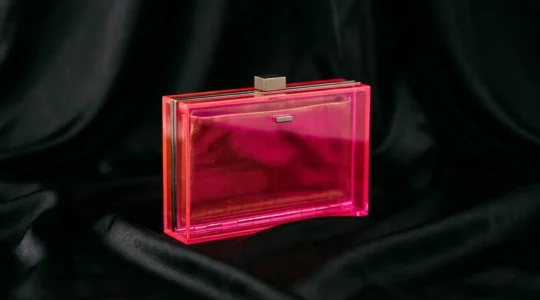
Why a Neon Clutch Is the Ultimate Investment for Your Little Black Dress
A neon clutch is the most efficient way to transform a single little black dress into multiple, modern evening outfits. It acts as a strategic ‘visual anchor’, offers functional benefits like durability, and provides a higher style Return on Investment…
Read more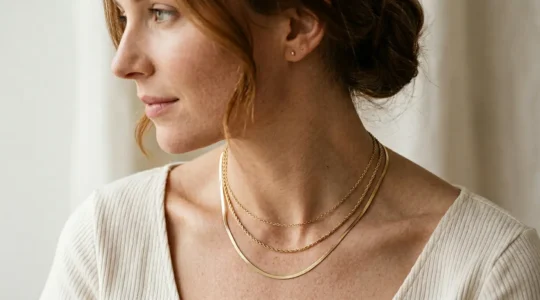
Necklace Stacking: How to Layer 3 Chains Without Them Tangling?
In summary: Effective jewelry layering is a system based on managing visual weight and negative space, not just for necklaces but across all accessories. Achieve perfect necklace spacing by varying lengths by at least two inches and balancing the thickness…
Read more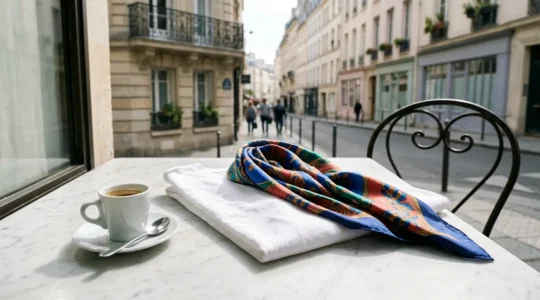
5 Elegant Ways to Tie a Silk Scarf and Instantly Elevate a Simple White T-Shirt
Mastering a luxury silk scarf is less about complex knots and more about understanding the core principles of elegance that transform your entire look. Color and light can be strategically used to brighten your complexion and diminish tired eyes. Structural…
Read more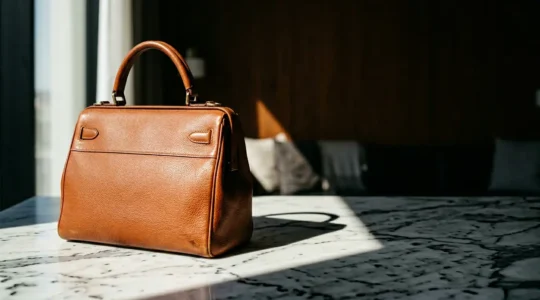
Why Your “Everyday Bag” Should Cost More Than Your Evening Clutch
A high-quality everyday bag isn’t a frivolous cost but a functional asset whose value can be rationally justified and financially tracked. It often proves significantly cheaper per use than its fast-fashion counterparts over its lifespan. Select luxury bags can retain…
Read more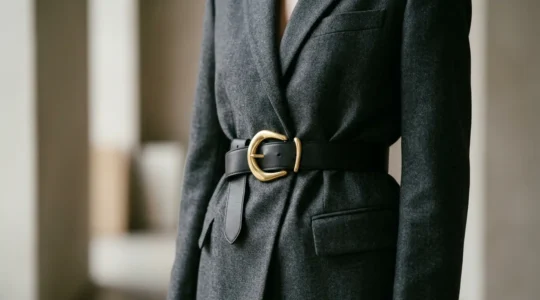
How to Distinguish a Tacky Logo Belt from a Classy Statement Piece?
A logo belt’s elegance is not determined by the logo’s size, but by its function as a piece of sculptural, architectural hardware. True style lies in using the belt to create architectural shape and structure in a silhouette, not just…
Read more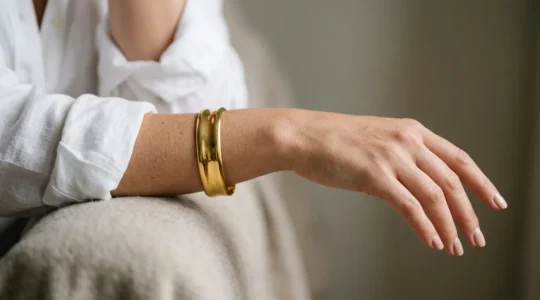
Why a Gold Cuff is the Only Accessory You Need for a Capsule Wardrobe?
A single gold cuff is the most effective tool for curating a minimalist look, acting as a visual anchor that provides structure and eliminates the need for other accessories. It creates an intentional focal point, adding authority and polish to…
Read more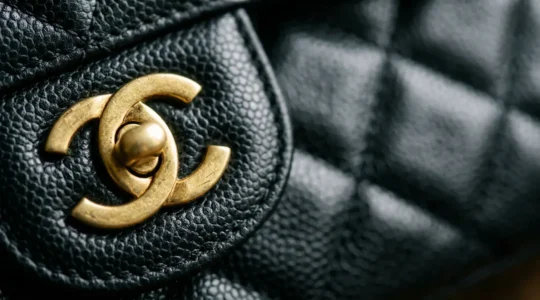
How to Verify the Authenticity of a Vintage Chanel Bag: An Authenticator’s Guide
Authenticating a vintage Chanel bag is less about checklists and more about adopting an investor’s mindset to assess its true, holistic value. Investment potential is determined by a bag’s value retention and cost-per-wear, not just its price tag. Original, untouched…
Read more
Mastering Oversized Jewelry: The Executive’s Guide to Power Dressing at Work
Mastering oversized jewelry at work isn’t about following rules, it’s about deploying strategic ‘visual anchors’ to communicate authority and intent. Focus on a single focal point per zone (face or wrist) to avoid visual competition and command attention. Choose your…
Read more