Fashion Trends
Fashion trends shape how we present ourselves to the world, yet understanding what drives these shifts remains a mystery to many. Beyond the surface of seasonal colors and popular silhouettes lies a complex ecosystem where runway concepts, social media algorithms, cultural movements, and individual expression constantly interact.
Whether you’re wondering why certain styles from decades past suddenly feel fresh again, how to distinguish a fleeting micro-trend from a lasting wardrobe investment, or what sustainable materials might replace traditional fabrics, this resource addresses the fundamental questions shaping modern fashion. From the practical challenges of styling oversized pieces to the philosophical debates around gender-fluid dressing, the topics explored here reflect the real concerns of anyone building a thoughtful, contemporary wardrobe.
Understanding these dynamics empowers you to make intentional choices rather than passively following every new aesthetic that appears on your feed. The goal isn’t to chase every trend but to recognize which ones align with your personal style and lifestyle needs.
How Fashion Cycles Actually Work
The fashion industry operates on predictable rhythms that, once understood, demystify why certain looks return while others fade permanently. The 20-year cycle theory suggests that trends typically resurface approximately two decades after their initial popularity, when nostalgia meets a new generation discovering these aesthetics for the first time.
The Anatomy of a Trend Lifecycle
Every trend follows a similar trajectory: introduction by designers or subcultures, adoption by early adopters, peak mainstream saturation, and eventual decline. The time span for this cycle has dramatically shortened in recent years. What previously took five to seven years now often completes within months, driven by fast fashion’s rapid production capabilities and social media’s instantaneous dissemination.
Distinguishing Core Pieces from Passing Trends
Core wardrobe pieces share specific characteristics that separate them from short-lived trends. They typically feature neutral colorways, classic proportions, and quality construction that justifies their higher price point. Conversely, trends often display extreme proportions, very specific color palettes, or heavy branding that quickly dates them. A useful test involves imagining whether a piece would look out of place in photographs taken three years from now.
Social Media’s Transformation of Personal Style
Digital platforms have fundamentally altered how trends emerge, spread, and die. TikTok and Instagram now function as trend accelerators, compressing what previously took seasons into mere weeks. This acceleration creates what some call micro-trend fatigue, where aesthetics rise and fall so rapidly that building a cohesive personal style becomes increasingly challenging.
The Rise of Named Aesthetics
Contemporary fashion discourse has developed its own vocabulary: Cottagecore, Gorpcore, Old Money, Quiet Luxury. These named aesthetics function as shorthand for complex visual languages, making it easier to communicate style preferences but also potentially limiting individual expression to predetermined categories. The Old Money aesthetic, for instance, transformed traditional preppy codes into a performative costume adopted across economic demographics.
Virtual Clothing and Digital Fashion
Perhaps the most radical development involves garments that exist only digitally. Digital fashion houses now create pieces that customers purchase to wear in photographs or virtual environments. While this concept seems abstract, it addresses real concerns about sustainability and the desire for visual variety without physical accumulation.
Mastering Prints and Patterns
Print styling remains one of fashion’s most intimidating territories for many people, yet understanding a few fundamental principles transforms pattern mixing from risky to refined.
The Balancing Principle
The 60/40 ratio provides a reliable framework: approximately 60% of an outfit in neutral tones creates visual breathing room for 40% in pattern. This proportion prevents overwhelm while still making a statement. When wearing a bold printed blouse, pairing it with solid trousers and a neutral jacket maintains this balance naturally.
Print Scale and Body Proportion
Print size significantly affects how garments appear on different body types. Generally, smaller prints create a more cohesive visual effect on petite frames, while larger prints can overwhelm smaller proportions. However, strategic placement matters equally: horizontal stripes at the widest part of the body emphasize that area, while vertical lines elongate.
Mixing Multiple Prints
Successfully combining prints requires either:
- Shared color palette between different pattern types
- Varying scale (one large, one small print)
- Contrasting pattern types (organic florals with geometric stripes)
The classic polka dots and stripes combination works precisely because both patterns share geometric regularity while differing in form.
Navigating Oversized Silhouettes
Oversized fashion has evolved from streetwear niche to mainstream staple, yet the line between intentionally relaxed and simply ill-fitting remains thin. Understanding where this line falls transforms oversized dressing from sloppy to sophisticated.
Technical Fit Markers
Even in oversized garments, certain fit points matter. The shoulder seam position serves as the primary indicator: dropping slightly off the natural shoulder reads as intentional, while landing mid-bicep suggests borrowed clothing. Similarly, sleeve length should relate proportionally to the overall garment scale.
Creating Definition Within Volume
Several techniques prevent oversized pieces from overwhelming the wearer:
- Strategic belting that creates waist definition without bunching fabric
- Sleeve rolling using techniques that stay in place throughout the day
- Tucking (full or partial) to introduce structure at key points
- Adding a structured third piece like a blazer or fitted coat
The choice between stiff and slouchy fabrics also affects the final silhouette. Structured materials maintain their shape independently, while softer fabrics follow body contours more closely.
Gender-Fluid Fashion and Cross-Shopping
Traditional gendered sizing categories are increasingly inadequate for modern shoppers. Many people now cross-shop between sections to find pieces that suit their body and style preferences regardless of original marketing intention.
Practical Cross-Shopping Strategies
Shopping men’s sections while having hips requires understanding construction differences. Men’s trousers typically feature straighter cuts through the hip, less room in the seat, and rise positioning designed for different proportions. Looking for relaxed fits in men’s sections often yields better results than attempting to size down in slim cuts.
Unisex Sizing Realities
Unisex sizing typically follows men’s measurement standards, meaning a unisex small roughly corresponds to a men’s small rather than a women’s small. This disconnect often disappoints shoppers expecting true middle-ground sizing. Some brands now offer genuinely size-inclusive unisex ranges with extended proportional options.
Styling Menswear-Inspired Pieces
Integrating traditionally masculine pieces into any wardrobe involves conscious choices about contrast. Options include:
- Adding one traditionally feminine element (lipstick, jewelry, heels)
- Embracing full androgyny through complete commitment to the aesthetic
- Tailoring menswear pieces for a customized fit
Footwear choice significantly impacts the overall effect. Derbies versus oxfords, for instance, create different visual weights at the ankle.
The Comfort Revolution in Fashion
The boundary between loungewear and appropriate public attire has permanently shifted. What began as pandemic-era necessity has evolved into elevated casual dressing that prioritizes comfort without sacrificing style.
Material Distinctions That Matter
The difference between gym-appropriate and brunch-appropriate often comes down to fabric composition. Cashmere or merino wool sweats read as intentionally relaxed, while cotton-polyester blends suggest actual athletic wear. Weight and drape similarly affect perception: substantial fabrics with clean drape appear more polished than thin, clingy materials.
The Third Piece Principle
Adding a structured third layer to comfortable basics instantly elevates the combination. A blazer over a hoodie and trousers, a trench coat with leggings and a sweater, or even a structured bag with relaxed clothing signals intentionality rather than forgetfulness about getting dressed.
Sustainable Materials and Ethical Alternatives
Material innovation represents one of fashion’s most rapidly evolving frontiers. Understanding the landscape of alternatives helps consumers make informed choices aligned with their values.
Vegan Leather Varieties
Not all vegan leathers are created equal. Mushroom-based mycelium and other bio-fabricated materials behave differently than plastic-derived pleather. Mushroom leather offers biodegradability and often superior durability, while traditional pleather frequently peels and cracks over time. Visual inspection before purchase helps identify quality: inconsistent coating, overly uniform texture, or chemical smell often indicate lower-quality materials.
The Upcycling Spectrum
Upcycled fashion ranges from DIY thrift flips to high-end designer reconstructions. Understanding this spectrum helps evaluate pricing. Designer upcycling involves professional pattern-making, quality construction, and often significant design labor that justifies higher prices. Meanwhile, simple DIY alterations like hemming or cropping remain accessible to anyone with basic tools.
The inherent nature of upcycled fashion means size consistency remains impossible. Each source garment brings different properties, making standardized sizing impractical for truly one-of-a-kind pieces.
Fashion trends ultimately serve as a vocabulary for self-expression rather than rules requiring compliance. Understanding the mechanics behind these trends—how they cycle, spread, and fade—provides the foundation for making choices that align with personal style rather than external pressure. Whether exploring sustainable alternatives, experimenting with oversized silhouettes, or navigating the complexities of gender-fluid dressing, informed engagement with fashion produces more satisfying results than passive consumption.
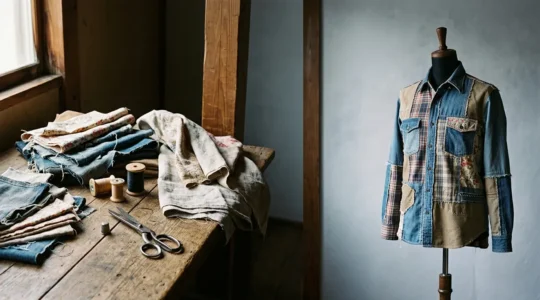
DIY vs. Designer Upcycling: Is a Reworked Shirt Really Worth $200?
The $200 price tag on a reworked shirt isn’t about the original garment; it’s about the “transformation value” added through skill, time, and design vision. DIY saves money but costs you significant time in sourcing, skill acquisition, and labor. Designer…
Read more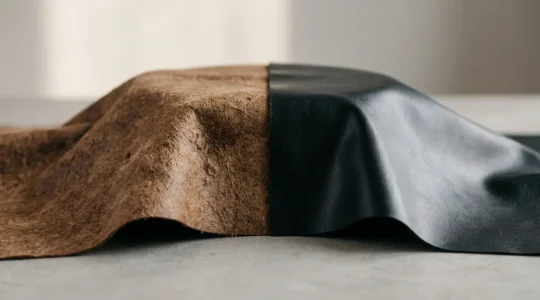
Mushroom vs. Plastic: Which “Vegan Leather” Actually Lasts?
The “vegan” label alone guarantees neither durability nor sustainability; the material’s specific polymer chemistry is the only true indicator of quality. Cheap synthetics like PVC and PU are designed to fail, shedding microplastics and cracking as their chemical plasticizers leach…
Read more
Why “Athleisure” is Dead and “Elevated Loungewear” Took Its Place
Mastering elevated loungewear isn’t about buying expensive sweatpants; it’s about applying a system of intentional choices to achieve polished comfort. Fabric choice dictates the message: Cashmere reads as luxury and intent, while basic cotton can read as utility or an…
Read more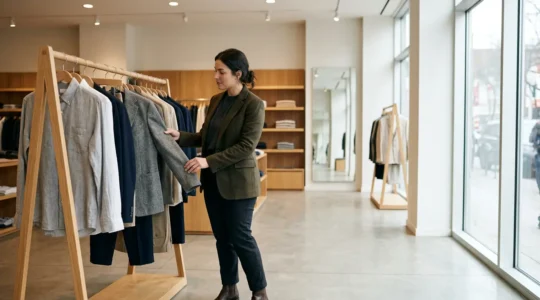
How to Shop the Men’s Section if You Have Hips?
The secret to wearing menswear when you have hips isn’t finding a tailor; it’s mastering ‘structural hacking’—understanding and manipulating the garment’s cut to work for your body. Menswear is cut straight, prioritizing chest and waist. Your goal is to create…
Read more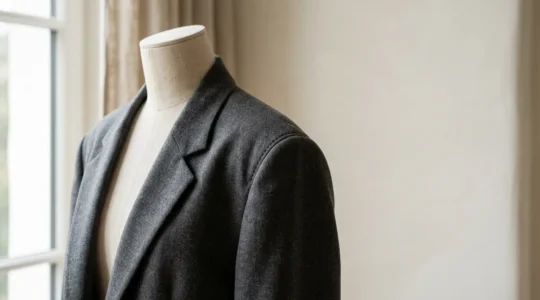
Oversized vs. Too Big: Where Should the Shoulder Seam Actually Sit?
The fear of looking swamped in an oversized blazer is valid, but the solution isn’t just sizing down. The key difference between “chic oversized” and “just plain big” lies in mastering the technical principles of fit. It’s about understanding fabric…
Read more
How to Wear Animal Print at Work Without Looking Unprofessional?
Successfully wearing animal print in a professional setting isn’t about ‘toning it down’; it’s about mastering a visual language to project deliberate confidence. The key is balancing the print’s “visual weight” with structured, neutral anchors to signal intention, not chaos….
Read more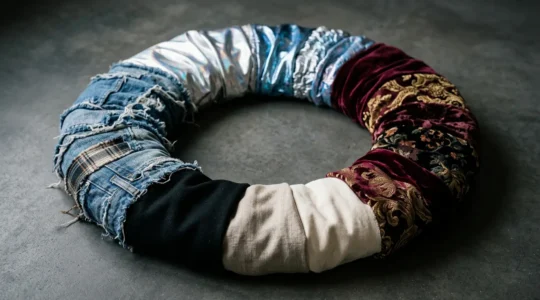
Why Do the “Worst” Trends from the 2000s Always Come Back?
Contrary to popular belief, the return of Y2K fashion isn’t just a nostalgic repeat. This article reveals it’s a ‘remix culture’ where Gen Z uses past aesthetics as a costume for stability in an unstable world. We’ll decode the 20-year…
Read more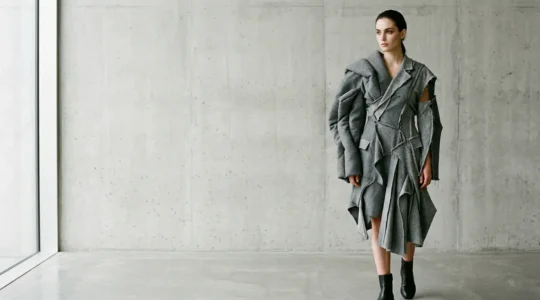
Why Do Runway Models Wear Clothes That Look “Unwearable”?
Runway fashion is not clothing that has failed; it is successful conceptual research presented in the medium of fabric. What appears “unwearable” is often a deliberate argument about the body, a test for a new material, or a critique of…
Read more
How Social Media Micro-Trends Are Destroying Personal Style?
The constant pressure to follow social media micro-trends isn’t a style problem—it’s a form of digital burnout that disconnects you from your true self. The lifespan of a trend has collapsed from years to mere weeks, encouraging a cycle of…
Read more