Looks & Inspirations
Style is not about following rules blindly or accumulating designer labels. It is about understanding why certain pieces work, how fabrics behave on the body, and what subtle details signal quality over quantity. The difference between someone who looks polished and someone who simply wears expensive clothes often comes down to knowledge—knowing which materials age gracefully, how a blazer should fit across the shoulders, or why a hemline can make or break wide-leg trousers.
This collection of insights addresses the questions that rarely get answered in mainstream fashion advice. From decoding fabric labels to adapting extreme runway trends for the office, from mastering the elusive Parisian je ne sais quoi to caring for investment pieces so they last decades, these resources are designed to transform how you approach your wardrobe. Think of it as building a foundation of style literacy that serves you in any situation, regardless of budget or body type.
Whether you are curating a minimalist capsule wardrobe, navigating dress codes in professional settings, or simply tired of clothes that disappoint after a few washes, the topics covered here offer practical, tested solutions. The goal is not perfection but confidence—the kind that comes from understanding the mechanics behind a well-put-together look.
The Foundation: Understanding Fabric Quality
Before considering color, cut, or trend, the fabric itself determines how a garment will drape, breathe, age, and ultimately make you feel. A silk blouse and a polyester one may look identical on a hanger, yet they behave completely differently once worn. Understanding materials is perhaps the single most valuable skill for anyone interested in dressing well without wasting money.
Natural Fibers and Long-Term Value
Cashmere, silk, wool, and linen represent the cornerstones of quality wardrobes. While their upfront cost is higher, their cost-per-wear often drops dramatically over time. A well-maintained cashmere sweater softens with age rather than pilling into oblivion like cheaper alternatives. Silk regulates temperature naturally, making it comfortable across seasons in ways synthetic fabrics simply cannot match.
The key lies in learning to identify quality even when labels claim premium status. Low-quality blends often hide behind luxury-sounding names. Checking fiber content percentages, observing how fabric recovers from a scrunch test, and examining seam construction all reveal truths that marketing obscures.
Seasonal Fabric Strategies
Knowing when to transition from linen to light wool, or understanding why certain materials breed bacteria in humid conditions while others remain fresh, allows for smarter seasonal dressing. Trans-seasonal wardrobes built on this knowledge require fewer pieces yet offer more versatility.
Mastering Effortless, Intentional Style
The much-discussed Parisian approach to dressing has less to do with specific items and more to do with an attitude toward clothing. It prioritizes looking like you did not try too hard while clearly understanding what works for your body and lifestyle. This apparent contradiction actually has learnable principles behind it.
Attitude Over Labels
True style sophistication often avoids visible logos entirely. The focus shifts from brand signaling to quality signaling—details like lining construction, seam finishing, and the way a collar sits. Mixing price points becomes not just acceptable but desirable: high-street denim paired with investment accessories demonstrates confidence rather than confusion.
The Undone Element
Achieving the bedhead hair look, rolling sleeves just so, or leaving a shirt slightly untucked requires understanding the line between relaxed and unkempt. It is about creating intentional imperfection—a looseness that suggests the wearer has more important things to think about than obsessing over every detail, while clearly having thought about those details.
- Clean, well-groomed nails often matter more than expensive shoes in minimalist looks
- The slight dishevelment of a trench coat worn open reads differently than the same coat buttoned to the chin
- Color choices like cream versus stark white can complement skin tone in subtle but significant ways
Translating Runway Trends to Everyday Life
Extreme shoulder pads, transparent fabrics, platform heels, and neon color blocking regularly dominate fashion weeks. The gap between what models wear on runways and what real people can wear to work, school, or brunch often seems insurmountable. Yet with the right approach, trend elements can be incorporated without costume-like results.
Moderation as Strategy
The belt hack used by stylists to cinch oversized blazers demonstrates how a single adjustment transforms an avant-garde silhouette into something wearable. Similarly, the no-pants trend adapts through strategic layering and appropriate settings. The principle remains consistent: extract the essence of a trend rather than its literal interpretation.
Practical Considerations
Platform heels require learning actual walking techniques to avoid twisted ankles. Transparent skirts demand thoughtful layering underneath. Color blocking works when grounded by neutral accessories rather than treated as an all-over explosion. These practical solutions bridge the gap between inspiration and implementation.
- Identify which element of a trend appeals to you—the silhouette, the color, the texture
- Find a moderate version that fits your lifestyle context
- Balance statement pieces with understated basics
- Test wearability in low-stakes environments before important occasions
The Power of Structured Pieces and Perfect Fit
A well-fitting blazer changes posture, perception, and confidence in ways few other garments can match. Research into first impressions consistently shows that structured shoulders influence how competent and authoritative someone appears. Yet finding the right blazer—or trousers, or any tailored piece—requires understanding specific fit principles.
Blazer Fundamentals
The hug test reveals in seconds whether a blazer restricts movement across the back. Shoulder seams should sit precisely at the shoulder bone edge, not drooping onto the arm or pulling upward. For those with broader shoulders, specific construction details allow proper fit without expensive alterations.
Peak versus notch lapels create different visual effects on the torso. Layering a blazer over a hoodie without adding bulk requires attention to both garments’ weights and the shoulder line. Even traveling with structured pieces demands techniques to prevent crushed shoulder pads.
Trouser Perfection
Hemming length makes or breaks wide-leg trousers. The puddle trend creates cleaning challenges that need addressing. High-waist versus mid-rise cuts affect not just comfort but how the stomach area appears. Pleated versus flat-front construction flatters different hip shapes. These details might seem minor until you understand how much they affect the overall impression.
Texture, Color, and Visual Impact
Beyond silhouette, the interplay of textures and colors determines whether an outfit feels expensive or cheap, cohesive or chaotic. An all-black outfit risks falling flat without textural contrast—mixing leather with knitwear instantly elevates the look. Understanding these principles opens creative possibilities.
Texture Combinations
Suede adds softness while grain leather provides structure. Perforated leather offers breathability for transitional seasons. Mixing exotic textures requires restraint to avoid overwhelming the eye. Even matte versus glossy finishes on similar fabrics create entirely different effects.
Color Confidence
Wearing bold colors like bright pink to professional settings or mustard yellow without looking sallow requires understanding undertones and context. The choice between nude or black shoes to ground a neon suit follows specific principles. Preventing vibrant colors from fading after washing protects the investment in statement pieces.
- Cream shades generally complement more skin tones than stark white
- Bold lip color pairs better with neutral eye makeup to avoid costume effects
- Separating bold suit pieces for weekend wear extends versatility
Caring for Your Wardrobe Investment
The most beautiful garments become worthless if ruined in the first wash. Wool sweaters shrink, silk develops water rings, knitwear pills, and structured shoulders lose shape—all preventable disasters with proper knowledge. Garment care is wardrobe preservation.
Delicate Fabric Handling
Silk and satin require specific approaches. Spot-cleaning without washing entire items saves both time and fabric integrity. The hairspray hack prevents satin from clinging to legs. Distinguishing real silk from polyester through simple tests protects against counterfeit purchases. Wearing slip dresses in cold weather without freezing involves strategic layering with appropriate base pieces.
Knitwear Longevity
Folding rather than hanging chunky knits prevents stretched shoulders. The bathtub method safely cleans oversized sweaters and blanket scarves at home. Choosing between razor and pumice stone for pill removal depends on fiber type. Wearing thermal or cotton layers under wool eliminates itching while adding warmth.
Tucking chunky sweaters into jeans without creating bulk, defining the waist when pairing shapeless knits with midi skirts, and maintaining structured silhouettes through proper storage—these skills transform how long quality pieces remain wearable and attractive.
Building a wardrobe that works requires ongoing learning. The topics explored throughout this collection address real challenges faced when trying to dress well in modern life. From commuting by bike in formal wear to packing for travel without wrinkling structured pieces, from the gym-to-desk transition to being visible at night without sacrificing style, practical solutions exist for nearly every situation. The investment in understanding these principles pays dividends every time you get dressed.

How to Tuck a Chunky Sweater into Jeans Without a Bulge?
The secret to a bulk-free sweater tuck lies not in the fold itself, but in total silhouette engineering before you even get dressed. Proper garment care—from washing to storage—maintains the sweater’s original shape and prevents it from becoming dense and…
Read more
How to Wear a Slip Dress in Winter Without Freezing?
In summary: Build a seamless thermal “foundation system” starting with base layers to eliminate panty lines and add warmth. Master fabric science to combat winter-specific issues like static cling and water spots on delicate silk. Use strategic layering with knits,…
Read more
How to Wear a Bright Pink Suit to a Meeting and Be Taken Seriously?
Wearing a bright suit isn’t a professional risk; it’s a strategic tool for managing perception when you understand the psychology behind it. The structure of your suit, especially the shoulders, non-verbally communicates competence through a principle known as “enclothed cognition.”…
Read more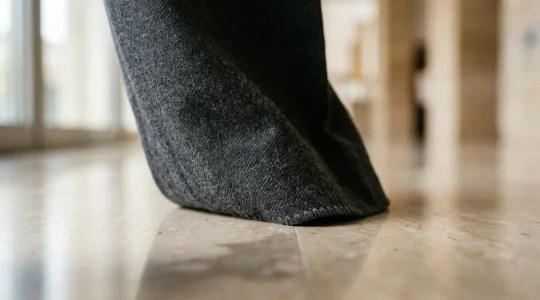
Why Is Hemming Length So Critical for Making Wide-Leg Trousers Work?
For a petite frame, the secret to successfully wearing wide-leg trousers isn’t avoiding them; it’s mastering the hem’s precise relationship with your shoes to create an unbroken vertical line. The trouser’s “break point”—where the hem interacts with the shoe—is the…
Read more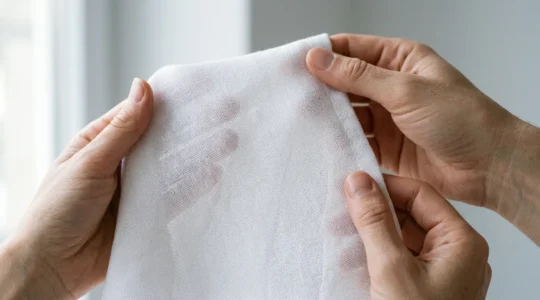
Why a Simple White Shirt is the Hardest Item to Buy Correctly?
Contrary to popular belief, finding the perfect white shirt isn’t about the brand or price tag. The real secret lies in deconstructing it like a product developer, focusing on hidden markers like fiber behavior under light, the architecture of its…
Read more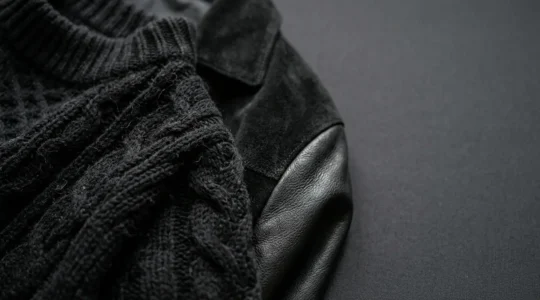
Why Mixing Leather and Knitwear Is the Secret to an Expensive-Looking All-Black Outfit
The key to an expensive-looking monochrome outfit isn’t the price tag, but the strategic control of how different textures interact with light. Soft knits and matte leathers like suede absorb light, creating deep, rich black tones that add visual weight….
Read more
How to Commute by Bike in a Suit Without Ruining Your Trousers?
The common belief is that cycling in a suit requires compromising either your style or your comfort. The reality is that by investing in a curated system of high-performance materials and gear, you eliminate the need for compromise entirely. Material…
Read more
How to Choose a Structured Blazer That Fits Broad Shoulders Without Tailoring?
Finding a structured blazer for broad shoulders isn’t about sizing up; it’s about understanding the garment’s architecture. The secret lies in prioritizing the non-negotiable fit of the shoulder seam, leveraging the visual engineering of lapels to create balance, and selecting…
Read more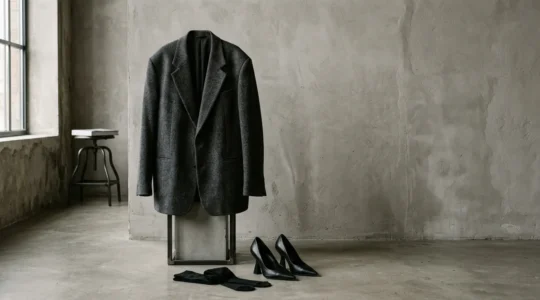
How to Wear the “No-Pants” Trend Without Getting Arrested?
In summary: Extreme runway trends are not meant to be copied literally, but translated using a core formula of proportion, structure, and context. Mastering a bold look like the “no-pants” trend depends on its “structural integrity”—the right underpinnings, fabric weight,…
Read more
Why the “Je Ne Sais Quoi” Relies More on Attitude Than Brands?
The secret to French style isn’t in buying the right clothes; it’s in adopting an attitude of “intentional imperfection” that values confidence over conformity. True Parisian chic comes from mastering how to look slightly “undone,” not perfectly polished. It’s a…
Read more